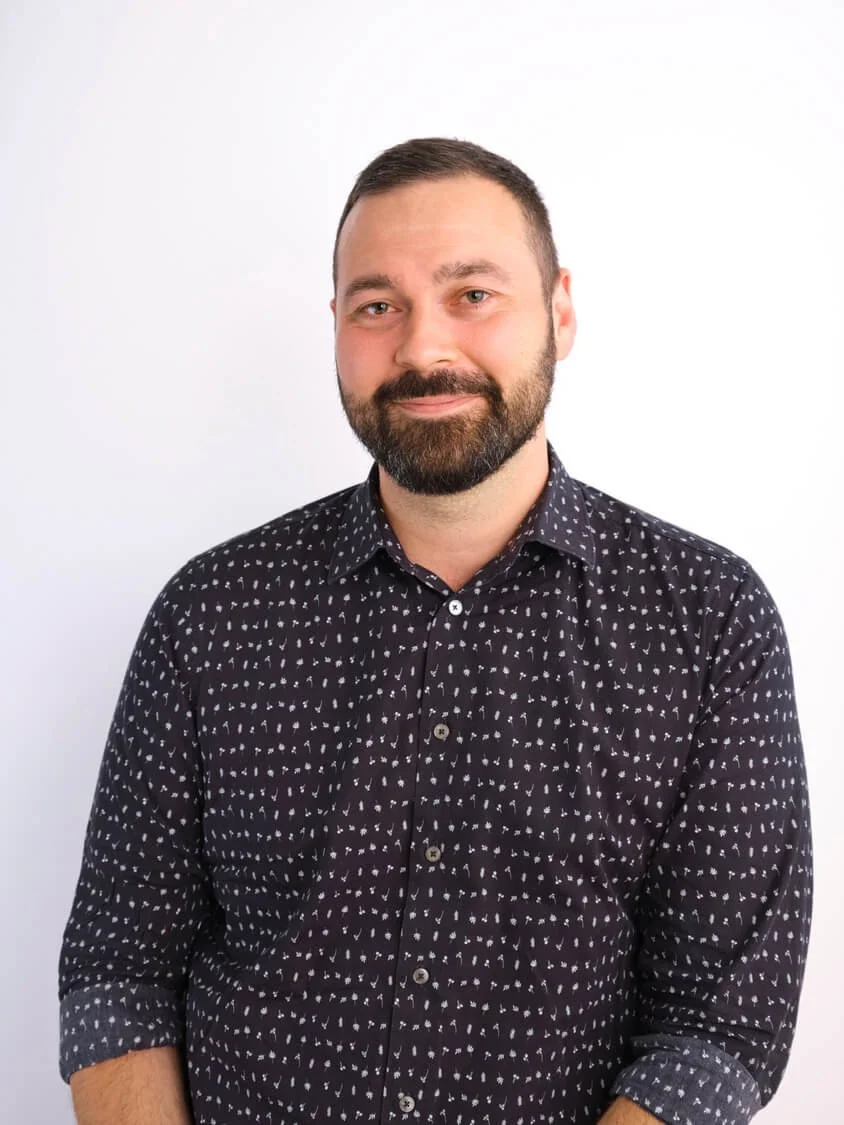
Tyler Isaac Neil Walker
Principal | OAA
Tyler’s conviction is that the primary aim of design should be the improvement of human well-being and the health of our urban and natural environments. He brings a keen design sense and rigorous approach to every project, balancing elegant simplicity with attention to materials and detailing to create functional and contextually meaningful architecture that realizes the aspirations of the communities with whom he works. With a wide-ranging portfolio that encompasses community, athletics and recreation, and campus architecture, he has been a key contributor to the research and advancement of sustainable design and construction at MJMA.
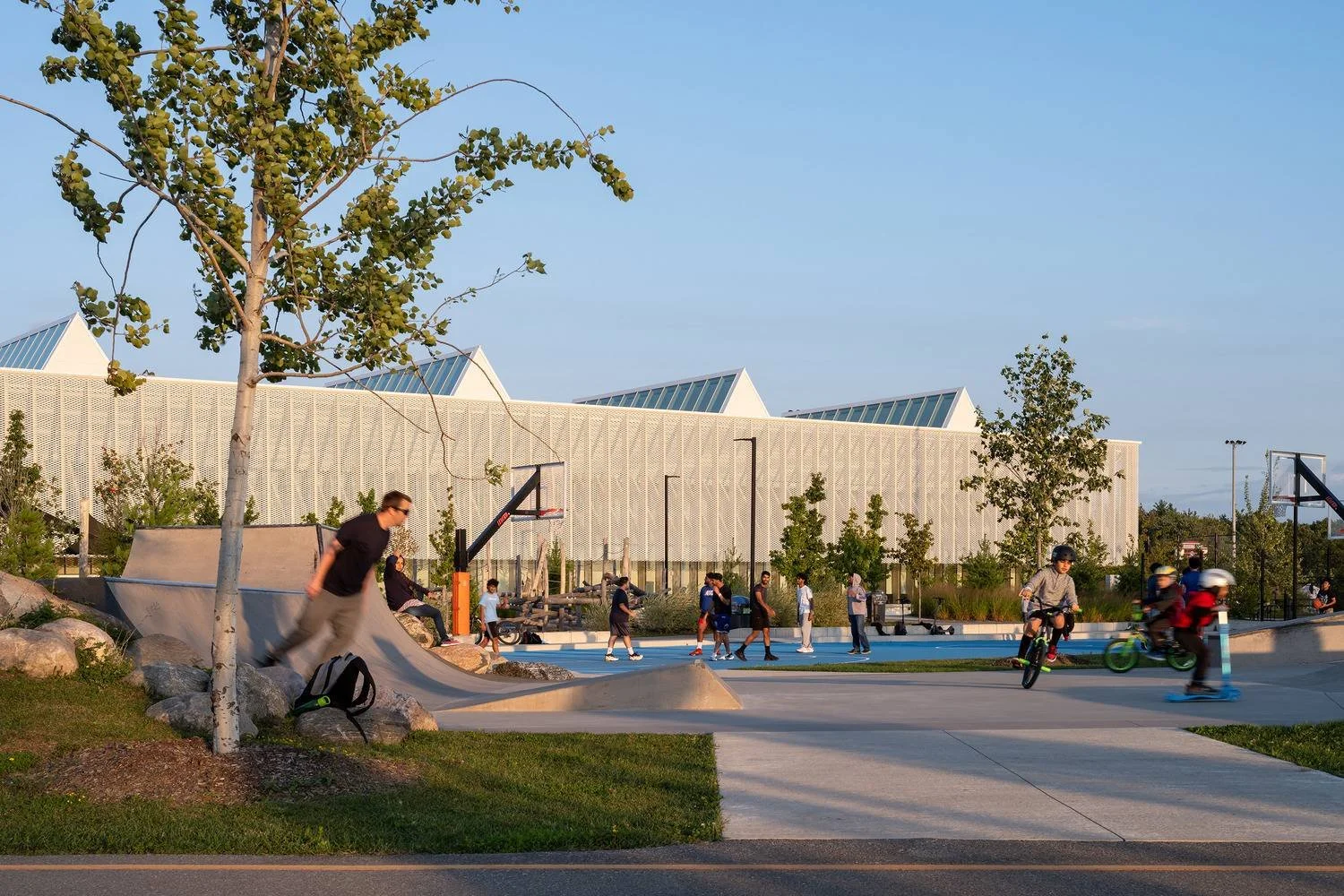
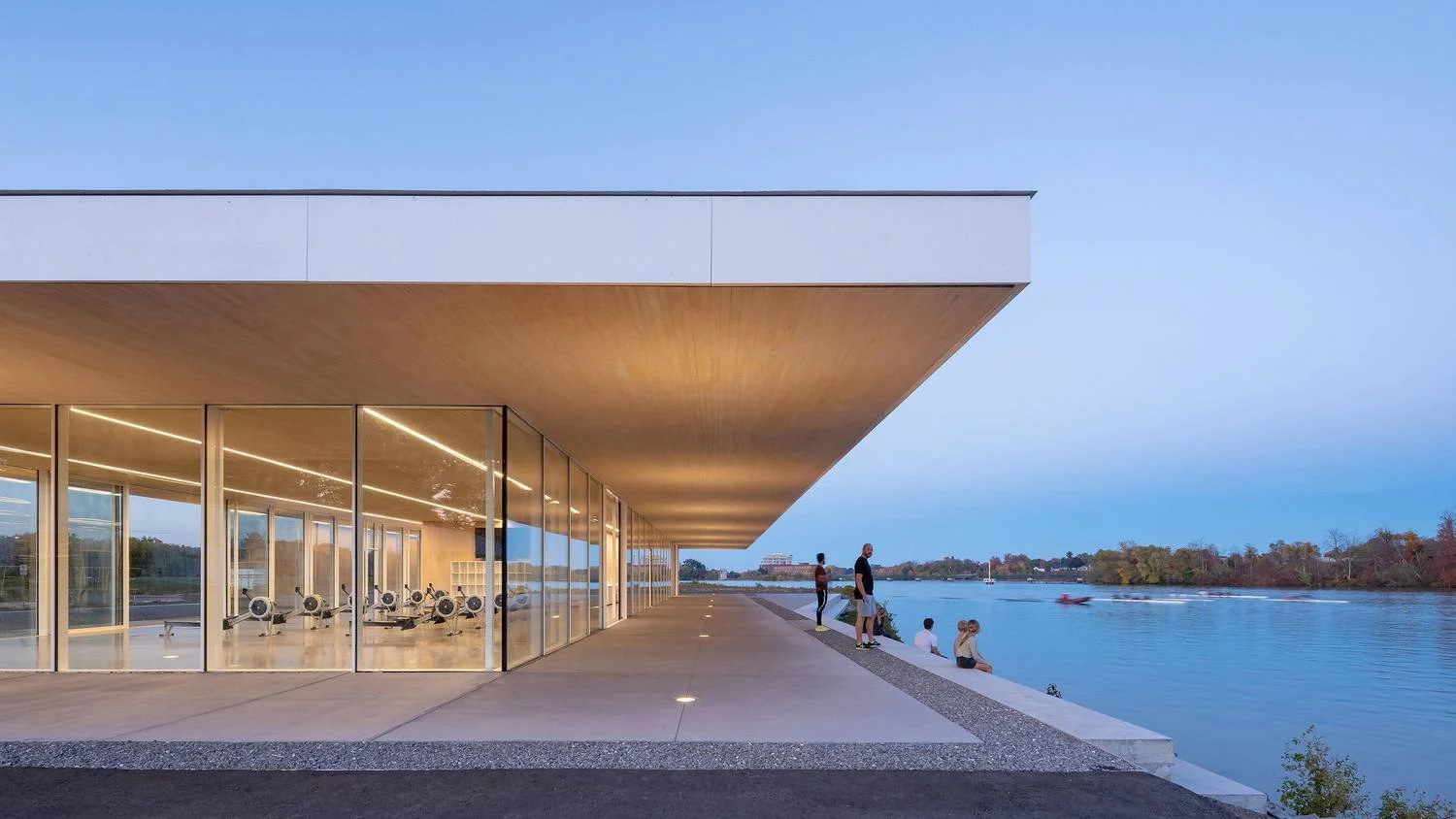
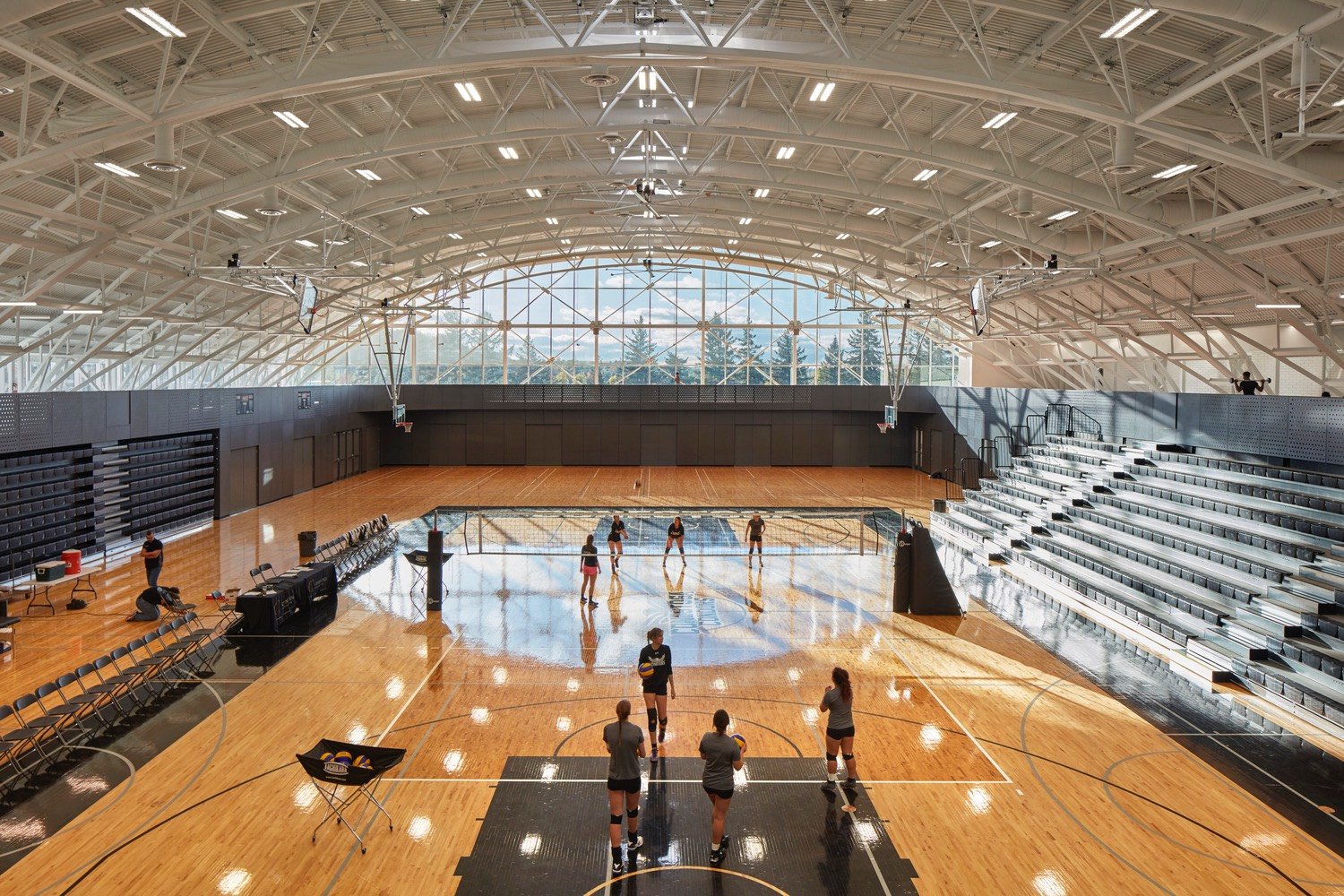
Tyler’s projects at MJMA demonstrate his ability to achieve beauty through straightforward and sound solutions that foreground sustainability. He believes mass timber is one of the most important means for advancing architecture toward a carbon-neutral future and has been a key contributor to some of our most recognized projects using this approach. Examples include the Churchill Meadows Community Centre and Mattamy Sports Park, which features sculptural, light-filled interior spaces and a mass timber structure using Canadian-made wood products; this structure is essential to how the building also achieves exceptional formal and programmatic integration with its surrounding park. The facility has become a popular city-wide destination and vibrant social nucleus for its diverse neighbourhood. Tyler was also Project Architect for the Neil Campbell Rowing Centre on Henley Island, a competition facility that also provides year-round training for Canadian athletes on a site that has deep historical roots for the sport. The building meets both Zero-Carbon Emissions and Net-Zero Energy Design benchmarks, in large part through an innovative mass timber stressed-skin system.
Before joining MJMA in 2013, Tyler worked on public architecture at practices in San Francisco and Toronto. He has a Bachelor of Science from the University of Toronto, a Diploma in Architectural Technology from Sheridan College, and a Master of Architecture from the University of Waterloo. His thesis examined how empathy can be manifest in architecture — in both its built form and the design process, including engagement with communities — and he has maintained its people-focused principles throughout his professional work.